
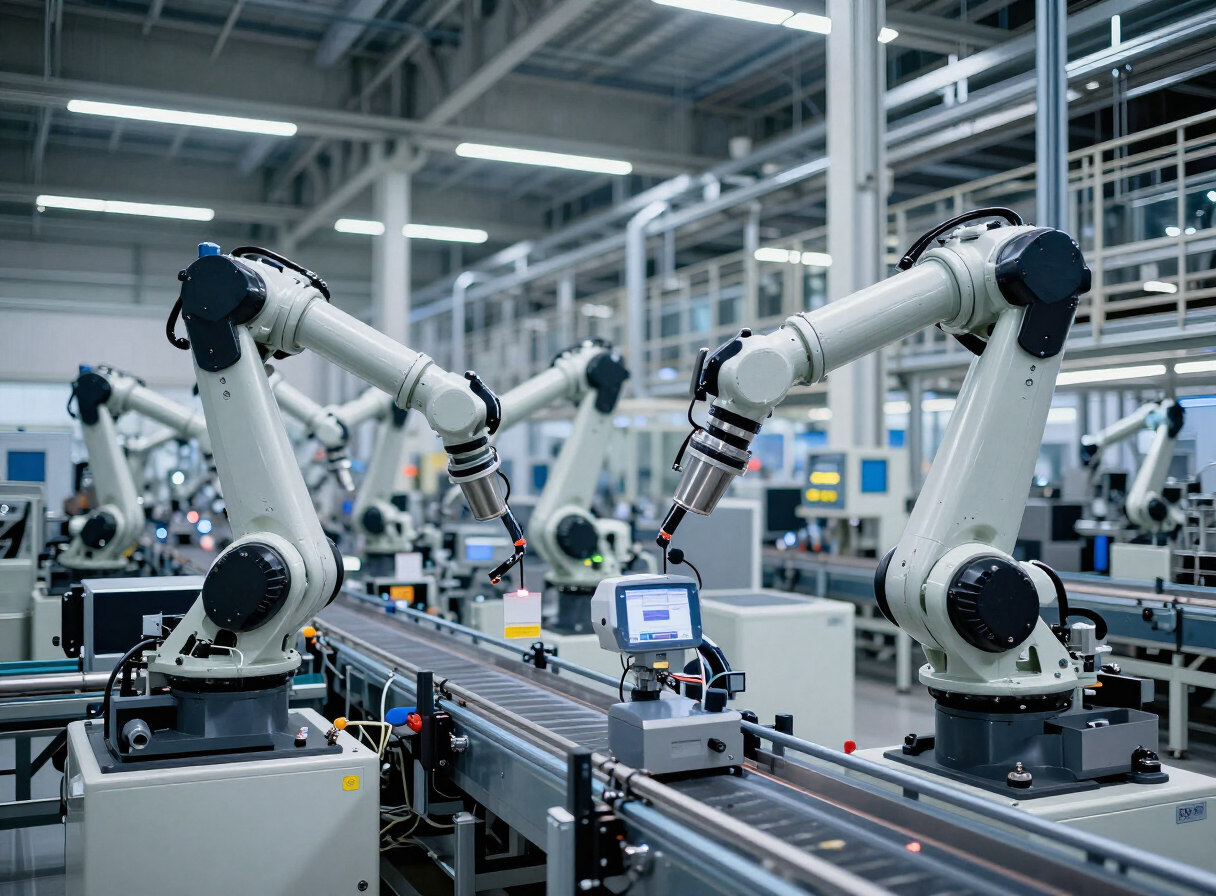
In manufacturing, energy data is a proxy for machine behaviour. A rising power draw signals a developing fault; energy use per unit reveals process drift; and idle consumption exposes hidden downtime. Energy monitoring therefore improves productivity, not just the utility bill.
Energy per unit produced
Tracking energy consumed per unit of output normalises for production volume, so you can tell genuine efficiency gains from simply making less. It is one of the most useful KPIs a factory can adopt.
Energy as a condition signal
Motors and heaters draw more power as they degrade. Monitoring current and consumption gives an early warning of mechanical problems, feeding directly into predictive maintenance.
Frequently asked questions
- How does energy monitoring improve productivity?
- Energy data reveals machine condition, process drift and hidden idle time. Acting on it reduces unplanned downtime and improves overall equipment effectiveness (OEE), not just energy cost.
- What is energy per unit produced?
- It is the amount of energy consumed to produce one unit of output. Tracking it normalises for production volume, so genuine efficiency improvements can be distinguished from lower throughput.
Related reading

Put these ideas to work
Request an infrastructure audit and we will design a monitoring programme built around your estate and objectives.
Choose how you would like to engage our team.
Every route below reaches our UK and EU enterprise engineers directly. Pick the one that fits where you are — no obligation, response within one working day.
Common questions
An engineer reviews your metering estate and site plans, then returns a scoped monitoring proposal — typically within one working day of the initial call. There is no cost or obligation.
Send an enquiry
Tell us about your estate and we will route you to the right engineer.